
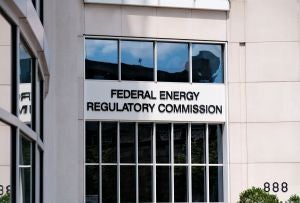
The Federal Energy Regulatory Commission (FERC) regulates the interstate transmission of electricity, natural gas, and oil.
While individuals and companies found in violation of FERC regulations typically face civil penalties, certain violations can escalate to criminal charges.
Executive orders signed by President Trump in early 2025, designed to combat "overcriminalization" in federal regulations, may leave some people confused about whether they could still face criminal charges for FERC violations.
In simple terms, violating FERC regulations can result in criminal charges, as the FERC has the authority to refer cases to the U.S. Department of Justice (DOJ) for criminal prosecution, particularly for deliberate and serious misconduct such as market manipulation or fraud.
This can lead to jail time and hefty fines, in addition to FERC's civil penalties.
Key Takeaways
- The FERC functions as a gatekeeper, and if its investigations reveal major misconduct, the DOJ may pursue criminal prosecution.
- The Energy Policy Act of 2005 greatly enhanced FERC's enforcement authority, raising penalties and defining its role in pursuing criminal sanctions for violations of laws such as the Federal Power Act and Natural Gas Act.
- FERC's Office of Enforcement examines potential violations such as market manipulation, tariff breaches, and other forms of non-compliance.
- If an investigation finds evidence of criminal behavior, such as knowing and willful violations, FERC refers the case to the DOJ.
- The DOJ determines whether to pursue criminal charges, which can be filed alongside FERC's civil enforcement actions.
- FERC civil penalties may involve hefty fines (in the millions), disgorgement of profits, and trading bans.
- Criminal penalties may include substantial prison sentences-up to five years or longer for some offenses-and criminal fines.
Let's look at the authority of this agency to refer certain violations for criminal prosecution and what, if anything, you can expect when cited for violations.
FERC's Authority to Pursue Criminal Referrals
Under federal law, including the Federal Power Act and the Natural Gas Act, FERC possesses the authority to refer potential criminal conduct to the U.S. Department of Justice (DOJ).
These statutes specify that criminal penalties may be assessed against any person who "knowingly and willfully" violates a Commission statute, rule, regulation, or order.
FERC does not prosecute criminal cases itself. Instead, it gathers evidence and, if the circumstances warrant, transmits that evidence to the DOJ. The DOJ then has the discretion to institute formal criminal proceedings.
Factors Leading to a Criminal Referral
FERC follows established policies when deciding whether to refer a case for criminal prosecution. In June 2025, the Commission issued a Notice of Guidance clarifying its policies in response to President Trump's Executive Order 14294, "Fighting Overcriminalization in Federal Regulations."
According to FERC's guidance, the Commission will evaluate several key factors when considering a criminal referral. These factors help determine the gravity of the offense and the appropriate level of response. The primary considerations include:
- Seriousness of the Violation: The more significant the misconduct, the higher the likelihood of a criminal referral.
- Evidence of Willful Behavior: A key element for criminal charges is the "mens rea," or state of mind. FERC looks for evidence that the conduct was performed knowingly and willfully, indicating a deliberate intent to violate the law rather than an accidental mistake.
- Strength of the Evidence: The Commission assesses the quality and quantity of evidence of wrongdoing before proceeding with a referral.
- Harm Caused by the Offense: The extent of the harm, whether financial or otherwise, plays a significant role in the decision-making process.
- Potential Gain to the Defendant: The Commission considers the financial or other benefits that the alleged offender stood to gain from the violation.
- Specialized Knowledge or Expertise: If the individual held specialized knowledge, expertise, or a license within the energy industry, it can weigh in favor of a referral, as it suggests they should have been aware of their regulatory obligations.
These factors largely overlap, painting a picture of an intentional act with significant consequences, committed by an individual who likely knew their conduct was unlawful.
Potential Charges and Penalties
If the DOJ accepts a referral from FERC and decides to prosecute, an individual could face a range of federal criminal charges. The specific charges depend on the nature of the violation, but could include:
- Market Manipulation: Intentionally manipulating energy markets for personal or corporate gain.
- Fraud: Using deceptive practices to obtain a financial advantage, such as wire fraud or mail fraud, depending on the methods used.
- False Statements: Knowingly submitting false or misleading information to FERC.
- Conspiracy: An agreement between two or more people to commit a crime against the United States.
A conviction for a federal felony can result in severe penalties, including substantial fines, restitution to victims, and a lengthy prison sentence. The consequences extend beyond legal sanctions, often resulting in professional ruin, license loss, and permanent damage to one's reputation.
How a Federal Criminal Defense Attorney Can Help
Successfully navigating a FERC investigation with potential criminal implications requires the help of a skilled federal criminal defense attorney with experience in FERC violations. A good attorney will:
- Intervene Early and Manage Communications: An experienced attorney can intervene during the initial investigation to communicate with FERC investigators and prosecutors on your behalf. They will work to understand the scope of the inquiry and begin building a defense strategy. The primary objective is often to prevent a criminal referral to the DOJ or persuade them not to file charges.
- Challenge the Prosecution's Case: If charges are filed, a defense attorney will meticulously analyze the government's evidence. A common defense strategy involves challenging the element of "willfulness," as the prosecution must prove you acted with a bad purpose to disobey or disregard the law. The attorney may argue that the conduct was a mistake, a result of a misunderstanding of complex regulations, or that there is insufficient evidence to prove intent.
- Manage the Legal Process: Your attorney will handle all aspects of the legal proceedings, from filing pre-trial motions to suppress evidence to negotiating potential plea agreements with prosecutors. If the case goes to trial, they will present a robust defense and advocate for you in court.
Contact the federal criminal defense law firm at Eisner Gorin LLP for a case review.
Related Content:
