
What is Trafficking in Cultural Property?
The illegal trade of cultural artifacts, often referred to as cultural property trafficking, is a serious transnational crime that draws significant attention from federal law enforcement.
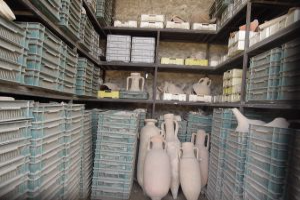
This offense involves the illicit import, export, or transfer of ownership of cultural property, including historical artifacts, art, antiquities, and archaeological resources.
If you are under investigation or facing charges related to the sale, purchase, or transport of such items, you are navigating a complex intersection of domestic and international law.
The federal government aggressively prosecutes these cases to preserve cultural heritage and dismantle illicit trade networks.
Your best hope of obtaining a favorable outcome and/or minimizing penalties is with a skilled federal criminal defense attorney experienced in cultural property crimes.
Key Takeaways
- Trafficking in cultural property refers to the illegal trade of stolen, looted, or unlawfully excavated artifacts, artworks, and heritage items.
- Trafficking in cultural property is an increasing worldwide crime that aids criminals, supports terrorism funding, and robs communities of their heritage.
- This activity often depends on complex networks similar to those involved in drug and arms trafficking, and it exploits digital platforms as well as unstable regions.
- This illegal trade deals with irreplaceable items such as ancient artifacts, fossils, and museum pieces, harming our shared human heritage and identity.
- International organizations such as UNESCO and UNODC collaborate with law enforcement agencies like ICE and partners like INTERPOL to fight it through awareness campaigns, legal measures, and investigations.
What Does Trafficking in Cultural Property Involve?
- Illegal Activities: Theft, looting, illegal excavation, smuggling, and illicit export or import.
- Items Trafficked: Including ancient artifacts, fossils, artworks, heritage items from conflict zones, stolen museum collections, and even underwater discoveries.
- Methods Used: Involves complex supply chains, legitimate markets such as auctions and online platforms, and black markets often facilitated by organized crime.
This federal crime is a significant issue because it undermines identity and deprives people of their history, culture, and shared humanity.
It also produces substantial profits for criminal organizations and helps fund terrorism. It is frequently viewed as less risky than drug or arms trafficking because of high demand and inadequate regulation.
While several laws may apply depending on the specifics of the case, two primary statutes are frequently used to prosecute the trafficking of cultural property: the National Stolen Property Act (NSPA) and the Archaeological Resources Protection Act (ARPA).
National Stolen Property Act (NSPA)
The National Stolen Property Act (18 U.S.C. §§ 2314 and 2315) is a broad statute often utilized in cases involving foreign cultural property.
It prohibits the transportation in interstate or foreign commerce of any goods, wares, or merchandise with a value of $5,000 or more, knowing the same to have been stolen, converted, or taken by fraud.
Crucially, in the context of cultural property, "stolen" encompasses items that have been excavated or exported in violation of a foreign nation's patrimony laws.
If a foreign country has a law declaring state ownership over all undiscovered antiquities, an artifact excavated and removed without that country's permission is considered stolen property under U.S. law.
Therefore, you can be charged under the NSPA for possessing or selling an item in the United States if the government can prove it was illegally removed from its country of origin, even if you did not personally remove it.
Archaeological Resources Protection Act (ARPA)
The Archaeological Resources Protection Act (16 U.S.C. § 470ee) specifically protects archaeological resources on U.S. federal and Indian lands.
This statute makes it illegal to excavate, remove, damage, or otherwise alter any archaeological resource located on public or Indian lands without a permit.
ARPA also contains a trafficking provision. It criminalizes the sale, purchase, exchange, transport, or receipt of any archaeological resource that was excavated or removed in violation of federal, state, or local law.
Consequently, if an artifact was originally taken illegally from state land, federal charges can still apply once that item enters interstate commerce.
Behaviors That Trigger Criminal Charges
Criminal liability often hinges on specific actions and the intent behind them. Prosecutors seek evidence suggesting knowledge of the item's illicit origins. Behaviors that frequently trigger charges include:
- Falsifying Customs Documents: Mislabeling the country of origin, value, or description of an artifact on import declarations to conceal its provenance.
- Conducting Unlawful Excavations: Digging for artifacts on protected federal or tribal land without a permit (looting).
- Trading in Stolen Art: Buying or selling artwork known to be stolen, including items taken during wartime or from museums.
- Ignoring Red Flags: Purchasing high-value antiquities without valid provenance paperwork, often described as "willful blindness" to the item's illegal status.
- Internet Sales: Listing protected artifacts for sale on online marketplaces or auction sites.
Penalties for Conviction
A conviction for trafficking in cultural property carries severe consequences, including substantial prison time and financial penalties.
- Under the NSPA, Violations are felonies punishable by up to 10 years in federal prison and significant fines. The court may also order the forfeiture of the property involved.
- Under ARPA: A first-time felony offense can result in up to two years in prison and fines up to $20,000. If the commercial or archaeological value of the resources and the cost of restoration and repair exceed $500, the penalties increase. Second offenses can lead to up to five years in prison and fines up to $100,000.
In addition to incarceration, a conviction results in a permanent criminal record, loss of the artifacts through forfeiture, and potential restitution payments to restore damaged sites.
Defenses Against Cultural Property Charges
Defending against these charges requires a deep understanding of both criminal procedure and the specific nuances of art and cultural heritage law.
An experienced federal criminal defense attorney may employ several strategies, including but not limited to:
- Lack of Knowledge: A viable defense is arguing that you did not know the item was stolen or illegally excavated. Both NSPA and ARPA require the government to prove the defendant acted "knowingly." If an item was purchased with the belief that its provenance was legitimate, the necessary criminal intent for a conviction may be absent.
- Challenging Foreign Law: In cases involving the NSPA, the defense can question the clarity and enforcement of foreign patrimony laws. If a foreign law is ambiguous about state ownership or is not consistently enforced in its country of origin, it may not be sufficient grounds for a U.S. federal prosecution.
- Verifying Provenance: A strong defense can be built on documentation that proves an artifact was legally exported or has been in the stream of commerce since before the relevant restrictive laws were passed. Establishing a clear, verifiable chain of title predating these statutes can effectively challenge the government's claim that the property is illicit.
For additional information or a criminal case evaluation, contact our defense lawyers at Eisner Gorin LLP.