
Minnesota Federal Criminal Defense Attorney
Facing criminal charges in the U.S. District Court for the District of Minnesota presents significantly different—and often more severe—challenges than those encountered in state courts. The gravity of federal charges underscores the urgent need for professional legal assistance.
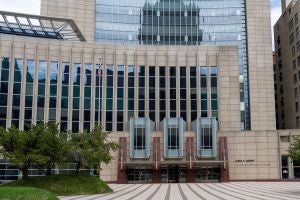
Federal crimes are violations of United States federal law or offenses conducted across multiple states, such as wire fraud and drug trafficking. These crimes are prosecuted by federal prosecutors working for agencies like the Federal Bureau of Investigation (FBI).
In many cases, federal crimes carry harsher penalties than state crimes. Since your future is at risk, it is crucial to hire federal criminal defense attorneys with extensive experience in handling federal charges.
The stakes are considerably higher in federal cases, with federal prosecutors possessing vast resources and federal sentencing guidelines often resulting in harsher penalties. Understanding the potential severity of the situation is crucial for making informed decisions about your defense strategy.
Navigating a federal criminal case successfully requires a criminal defense attorney with specific experience in the federal system, particularly within the court where your case will be heard. If you have been accused of a federal crime in Minnesota, your case will likely be heard in this court district. Here are some key things you need to know.
Common Types of Federal Criminal Cases
Federal law enforcement agencies, such as the FBI, DEA, and ATF, investigate a specific range of criminal activities that cross state lines or violate federal statutes.
The U.S. Attorney's Office for the District of Minnesota prosecutes these cases. Common federal criminal cases handled by this court include:
- White-Collar Crimes: E.g., bank fraud, wire fraud, mail fraud, securities fraud, tax evasion, and money laundering.
- Drug Trafficking: Offenses involving the large-scale manufacturing, distribution, or importation of controlled substances.
- Firearms Offenses: Unlawful possession of a firearm by a prohibited person, illegal sale of firearms, and use of a firearm during the commission of a federal crime.
- Child Pornography: Production, distribution, or possession of child sexual abuse material.
- Racketeering (RICO): Crimes committed as part of an ongoing criminal enterprise.
- Cybercrimes: Computer hacking, identity theft, and online fraud.
Individuals detained or under investigation for federal offenses risk severe sentences if convicted. Federal sentencing guidelines can result in lengthy prison terms. Additionally, significant fines and restitution may be imposed upon conviction.
About the District of Minnesota
The United States District Court for the District of Minnesota adjudicates both civil and criminal cases related to federal law that originate in any of the 87 counties of the State of Minnesota.
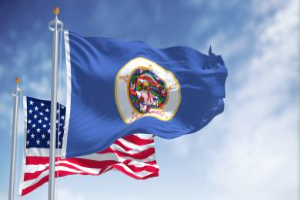
Specifically, it hears criminal cases involving violations of federal statutes, crimes that cross state or national boundaries, crimes occurring on federally controlled land, etc.
Violations of Minnesota state law and/or crimes occurring within the state are typically heard in the state court system.
The District of Minnesota operates four courthouses (in Minneapolis, St. Paul, Duluth, and Fergus Falls) to handle cases across the state.
Major Cities Served by the U.S. District Court for the District of Minnesota include Minneapolis, St. Paul, Duluth, and Fergus Falls.
The caseload is currently handled by seven district judges and 10 senior district judges (i.e., semi-retired judges who handle smaller caseloads), with nine magistrate judges handling pre-trial proceedings and adjudicating misdemeanor cases.
Federal Court Locations in Minnesota
- Minneapolis: Diana E. Murphy United States Courthouse, 300 South Fourth Street, Minneapolis, MN 55415
- St. Paul: Warren E. Burger Federal Building and U.S. Courthouse, 316 North Robert Street, St. Paul, MN 55101
- Duluth: Gerald W. Heaney Federal Building and U.S. Courthouse, 515 West First Street, Duluth, MN 55802
- Fergus Falls: Edward J. Devitt United States Courthouse, 118 South Mill Street, Fergus Falls, MN 56537
Why the Federal Court is Different
The procedural and substantive differences between federal and state courts are substantial. A defense strategy that is effective in a Minnesota state court may be inadequate or entirely inappropriate in a federal setting. Key distinctions include:
- Rules of Procedure: Federal courts operate under the Federal Rules of Criminal Procedure and the Federal Rules of Evidence, which differ significantly from their state counterparts.
- Pre-Trial Process: The federal pre-trial process is highly structured, involving grand jury indictments, strict discovery rules, and formal arraignments before a magistrate judge.
- Sentencing Guidelines: Federal judges are guided by the U.S. Sentencing Guidelines, a complex matrix that calculates a recommended sentencing range based on the offense level and the defendant's criminal history. These guidelines are highly influential and often result in more severe sentences than those imposed in state courts for similar conduct.
- Prosecutorial Resources: Federal prosecutors (Assistant U.S. Attorneys) have the extensive resources of the federal government at their disposal for investigation and prosecution, creating a formidable challenge for any defendant.
How a Federal Criminal Defense Attorney Can Help
A federal criminal defense attorney plays a crucial role in defending against federal charges. They are not only familiar with federal laws and court procedures but also have the experience required for complex federal court cases.
Their role is to protect your rights, challenge the prosecution's evidence, and negotiate on your behalf.
When your freedom and future are on the line in a federal case, representation by an attorney with direct experience in the U.S. District Court for the District of Minnesota gives you a better chance of a positive outcome.
Our attorneys have successfully defended clients against a range of federal charges, including white-collar crimes, drug trafficking, and firearms offenses. The reasons you need a federal defense lawyer include:
- Familiarity with Federal Prosecutors: An experienced attorney understands the priorities, strategies, and tendencies of the Assistant U.S. Attorneys in the District of Minnesota, which is crucial for effective negotiation and case strategy.
- Knowledge of the Judiciary: Counsel who regularly appears before the district's judges and knows their courtroom procedures, expectations, and judicial philosophies regarding motions, trials, and sentencing.
- Mastery of Local Rules: Beyond the federal rules, each district has its own set of local rules that govern practice and procedure. Non-compliance can have serious negative consequences for a case.
- Experience in Federal Sentencing: A seasoned federal defense lawyer possesses a deep understanding of the U.S. Sentencing Guidelines and knows how to argue effectively for variances and downward departures to achieve the most favorable outcome.
- Strong Negotiation Skills: Federal criminal cases have a high rate of conviction, and many cases are resolved through plea agreements. A good attorney will negotiate aggressively on your behalf to ensure you receive the best possible terms if a plea deal is determined to be your best option.
For more information or to schedule a consultation, contact our federal criminal defense law firm, Eisner Gorin LLP, in Los Angeles, CA. Our experienced attorneys are ready to help you navigate the complexities of the federal court system and defend your rights.
Related Content: