
Federal Whistleblower Process: Laws, Investigations, Financial Rewards, and Retaliation Protections
The federal whistleblower process provides a critical legal framework for insiders, employees, contractors, and executives to expose fraud, corruption, and regulatory non-compliance involving government funds.
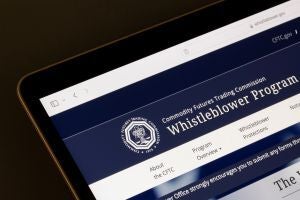
Enacted under federal statutes like the False Claims Act (FCA), the Sarbanes-Oxley Act (SOX), and programs governed by the Securities and Exchange Commission (SEC), whistleblower laws authorize private individuals (known as relators) to report illegal activity, recover billions in taxpayer dollars, and receive substantial financial rewards.
Because federal whistleblower cases involve multi-agency investigations, strict procedural seal requirements, and complex litigation, navigating the process requires proactive legal strategy to maximize potential awards while shielding whistleblowers from employer retaliation.
What Is a Federal Whistleblower Case?
A federal whistleblower case occurs when an individual exposes fraudulent practices, illegal financial operations, or statutory violations committed by corporations, healthcare providers, or government contractors against federal agencies.
Common Types of Federal Whistleblower Claims
-
False Claims Act (Qui Tam Actions): Lawsuits filed by private relators on behalf of the U.S. government against entities submitting false or fraudulent billing claims to federal programs (e.g., Medicare, Medicaid, defense procurement).
-
Healthcare & Pharmaceutical Fraud: Unlawful practices including Medicare/Medicaid overbilling, off-label drug promotion, unbundled billing, and illegal physician kickbacks (Anti-Kickback Statute / Stark Law).
-
Securities, Commodities & Banking Fraud: Misrepresentations by public companies, accounting manipulation, market surveillance abuses, or insider trading reported under the Dodd-Frank Wall Street Reform Act and SEC/CFTC whistleblower programs.
-
Government Procurement & Contracting Fraud: Defective military equipment sales, non-conforming goods, billing for unperformed services, or false certifications in federal bid solicitations.
-
IRS & Tax Fraud: Deliberate underpayment, offshore tax evasion, or fraudulent tax schemes reported to the IRS Whistleblower Office.
The 7-Step Federal Whistleblower Process
Understanding the lifecycle of a federal whistleblower claim ensures compliance with strict statutory guidelines and preserves eligibility for financial recovery.
Federal Whistleblower Reward Programs & Percentages
Whistleblowers who provide original, actionable information leading to successful enforcement actions are statutorily entitled to financial awards across several federal programs:
|
Federal Statute / Program |
Whistleblower Award Range |
Primary Statutory Focus |
|
False Claims Act (Qui Tam) U.S. Department of Justice |
15% – 25% (Intervened) 25% – 30% (Declined) |
Government billing, healthcare fraud, procurement fraud |
|
SEC Whistleblower Program Securities and Exchange Commission |
10% – 30% of monetary sanctions collected | Securities violations, financial fraud, FCPA bribery |
|
IRS Whistleblower Program IRS Whistleblower Office |
15% – 30% of taxes, penalties, & interest recovered | Major tax evasion (disputed tax/penalty > $2M) |
|
CFTC Whistleblower Commodity Futures Trading Commission |
10% – 30% of monetary sanctions collected | Commodities manipulation, spoofing, derivatives fraud |
Federal Retaliation Protections
Federal law strictly prohibits employers from firing, demoting, harassing, blacklisting, or discriminating against employees who report suspected misconduct or assist in a federal investigation.
Key Statutory Protections
-
False Claims Act Retaliation (31 U.S.C. § 3730(h)): Protects employees, contractors, and agents from discharge or discrimination for lawful acts performed in furtherance of an FCA action.
-
Sarbanes-Oxley Act (18 U.S.C. § 1514A): Provides retaliation protection for employees of publicly traded companies who report financial fraud or SEC reporting violations.
-
Remedies for Retaliation: Victims of illegal retaliation can recover:
-
Mandatory reinstatement to their former position or seniority level.
-
Double back pay plus accrued interest.
-
Special damages, including litigation costs, attorney fees, and emotional distress compensation.
-
Common Challenges in Whistleblower Litigation
-
Strict Filing Under Seal Requirements: Violating court seal orders or disclosing the complaint publicly before federal authorization can result in the immediate dismissal of the lawsuit and forfeiture of all financial awards.
-
Original Source Requirements: Under the FCA, whistleblowers must be the "original source" of non-public information, meaning claims based solely on public news reports or prior government disclosures may be barred.
-
Extended Investigation Timelines: Federal investigations often take 12 months to several years to complete, requiring patient, strategic coordination with Assistant U.S. Attorneys.
Frequently Asked Questions (FAQs)
What does it mean when a whistleblower complaint is filed under seal?
Filing a complaint under seal means it is kept completely confidential from the public and the defendant company. This statutory requirement allows federal law enforcement to investigate the allegations without alerting the target entity or risking the destruction of evidence.
Can a whistleblower remain anonymous throughout the process?
Certain agency programs, such as the SEC and CFTC whistleblower programs, allow individuals to submit tips anonymously through an attorney. Under the False Claims Act, the filing remains confidential while under seal, but the relator's identity is usually disclosed if the case proceeds to litigation.
What happens if the DOJ declines to intervene in a False Claims Act lawsuit?
If the DOJ declines to intervene, the whistleblower (relator) retains the legal right to pursue the litigation independently with private counsel. If successful, the whistleblower's statutory reward range increases to 25%–30% of the total financial recovery.
How long does a federal whistleblower investigation usually take?
Federal whistleblower investigations typically take anywhere from 1 to 3 years, depending on the complexity of the financial evidence, the number of federal agencies involved, and whether corporate subpoenas or civil investigative demands are issued.
Can I be fired for reporting corporate fraud to federal agents?
No. Federal laws, including 31 U.S.C. § 3730(h) and Sarbanes-Oxley, explicitly prohibit employers from terminating, demoting, or penalizing whistleblowers. If you face retaliation, you can file a separate federal retaliation lawsuit to seek reinstatement, double back pay, and legal expenses.
Speak With a Federal Whistleblower Attorney
If you possess original evidence of federal fraud, healthcare overbilling, or corporate financial misconduct, securing experienced legal representation early is essential to protect your career and establish your statutory right to a financial award.
Eisner Gorin LLP provides strategic counsel for whistleblowers navigating complex qui tam actions, DOJ investigations, and federal retaliation claims.
Contact Us:
-
Phone: (818) 781-1570
-
Location: Los Angeles, CA
-
Consultations: Confidential case reviews available by phone or online inquiry form.