
What Happens During a SEC Investigation?
The U.S. Securities and Exchange Commission (SEC) is responsible for enforcing laws against market manipulation.
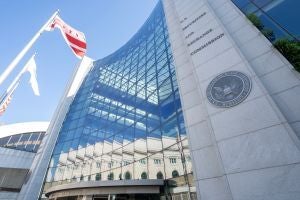
An SEC investigation begins with an informal fact-finding inquiry and can escalate to a formal investigation with subpoena power to compel testimony and documents.
Red flags or tips often trigger it and focus on potential violations of securities laws, such as fraud or insider trading.
Throughout, the SEC collects evidence such as emails, records, and trading data, interviews individuals (often under oath), and may pursue settlements or take cases to federal court or administrative agencies if misconduct is identified.
Penalties can include fines, license revocation, or industry bans, with many cases settling out of court.
An SEC investigation is a serious matter that can have significant civil and criminal consequences. Such an investigation signals that the government believes a violation of securities law may have occurred, and it is the first step toward potential enforcement action.
Key Takeaways
- Trigger and initial review begin with tips, complaints, or market surveillance, resulting in a preliminary review by the SEC Enforcement Division.
- An informal inquiry involves the SEC requesting the voluntary submission of emails, documents, and data to identify any potential violations.
- If serious issues are identified, the SEC issues a formal order that grants subpoena power to compel testimony and document submission.
- Evidence gathering includes interviewing witnesses under oath, reviewing brokerage and trading records, and analyzing data, which often takes months or years.
- Case development involves presenting evidence to the Commissioners, who then decide if it warrants action.
- Enforcement action involves the SEC's authority to initiate civil cases in federal court or conduct administrative proceedings, which can lead to penalties, revoke registrations, or ban individuals from industry participation.
- Cases involving criminal referrals with criminal implications may be forwarded to the Department of Justice (DOJ).
If you are targeted for such an investigation, here's what you can expect.
The SEC Investigation Process: A Step-by-Step Overview
An SEC investigation follows a structured path, moving from informal review to a formal proceeding. The stages are designed to gather facts and determine if an enforcement action is warranted.
Triggering Event
An investigation does not begin without a reason. The process is typically initiated by a trigger that suggests a potential securities law violation. Common triggers include:
- Investor complaints
- Tips from whistleblowers
- Market surveillance alerts showing unusual trading activity
- Referrals from other regulatory bodies, such as FINRA or the DOJ
- Irregularities found during routine SEC examinations
At this point, the activity is simply a concern for the SEC, prompting an initial review.
Informal Inquiry
Once a trigger is identified, SEC enforcement staff may open a preliminary review, often called a "Matter Under Inquiry."

This is an informal stage where investigators gather information to assess the credibility of the initial concern.
They might analyze public filings and trading records or request documents and interviews on a voluntary basis. During this phase, the SEC lacks subpoena power, so cooperation is voluntary.
Formal Order of Investigation
If the informal inquiry uncovers evidence suggesting a serious violation, the enforcement staff will seek a Formal Order of Investigation from the SEC Commissioners.
Obtaining this order officially transforms the inquiry into a formal investigation. Crucially, the order grants the SEC staff the authority to issue subpoenas, compelling individuals and entities to provide testimony under oath and produce documents.
Evidence Gathering via Subpoenas
With subpoena power, the SEC can launch a comprehensive evidence-gathering operation. This is often the longest and most intensive phase of the investigation.

Investigators can compel the production of a wide range of materials, including emails, text messages, internal company records, board minutes, and brokerage statements.
They will also take formal testimony from executives, employees, and other relevant parties. This testimony is given under oath and recorded by a court reporter.
Wells Notice
If the investigation leads the SEC staff to conclude that a violation occurred and that they intend to recommend enforcement action, they may issue a Wells Notice to the target.
This notice serves as a formal warning, outlining the alleged violations and the evidence supporting them.
It provides the recipient with an opportunity to submit a written response, known as a "Wells Submission," to argue why charges should not be filed.
When an Investigation Turns Criminal
The SEC is a civil enforcement agency, but its investigations can uncover evidence of criminal conduct.
If SEC staff suspect criminal activity, such as willful fraud or perjury, they may coordinate with or refer the matter to the Department of Justice (DOJ) for a parallel criminal investigation and potential prosecution.
This significantly raises the stakes, as a criminal conviction can lead to imprisonment and other severe penalties.
Common criminal charges that can arise from an SEC investigation include:
- Insider Trading: Trading securities based on material, non-public information.
- Accounting Fraud: Intentionally manipulating financial records to deceive investors.
- Market Manipulation: Artificially inflating or deflating the price of a security.
- Wire Fraud and Mail Fraud: Using interstate electronic communications or mail services to execute a fraudulent scheme.
- Making False Statements: Lying to federal investigators during the course of the investigation.
Common Defenses in Federal Securities Cases
When facing federal criminal charges stemming from an SEC referral, a federal criminal defense attorney will analyze the government's case to identify weaknesses and build a robust defense. Common defense strategies include:
- Lack of Intent (Scienter): Many securities crimes require the government to prove that the defendant acted willfully or with fraudulent intent. A defense may argue that the conduct was a result of a mistake, negligence, or a good-faith misunderstanding, not criminal intent.
- Insufficient Evidence: The prosecution must prove every element of the alleged crime beyond a reasonable doubt. A defense can challenge the adequacy and reliability of the government's evidence, arguing that it fails to meet this high legal standard.
- No Material, Non-Public Information: In insider trading cases, a key defense is to demonstrate that the information used was either not material (meaning a reasonable investor would not consider it important) or was already public.
- Good Faith: This defense asserts that the defendant acted honestly and believed their actions were lawful, even if they were ultimately mistaken.
For more information or a case review, contact the federal criminal defense law firm at Eisner Gorin LLP.