
Federal Health Care Fraud Involving Home Sleep Studies
Federal agencies have recently intensified their scrutiny of healthcare providers and companies that recommend or conduct home sleep studies (HSS).
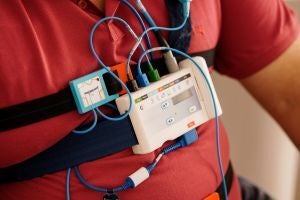
This increased focus has led to a rise in audits and investigations, placing doctors, dentists, and HSS service providers at risk of facing serious allegations of healthcare fraud, even if no such fraud occurred.
A recent trend in healthcare fraud enforcement focuses on private insurers and the federal government targeting doctors who refer patients for home sleep studies (HSS) and providers of HSS services.
Insurance companies and federal agencies, such as the U.S. Department of Justice (DOJ) and the Office of Inspector General (OIG) of the Department of Health and Human Services, are mainly focusing on doctors and home sleep study service providers in Southern California.
However, providers in other areas are also at risk. If you are a physician or health care facility and find yourself under the government spotlight due to your involvement with home sleep studies, having an experienced federal criminal defense attorney in your corner can make a huge difference in how your case is resolved--or indeed, whether charges are filed at all.
Key Takeaways
- Federal healthcare fraud related to home sleep studies frequently involves companies billing for unnecessary tests, such as multiple nights when a single night would be adequate, employing unlicensed personnel, conducting studies in non-compliant environments, or offering illegal kickbacks for referrals.
- These situations frequently result in substantial lawsuits and settlements under the False Claims Act involving companies such as Snap Diagnostics, Sleep Solutions, and American Sleep Medicine.
- These schemes take advantage of Medicare, Medicaid, TRICARE, and other federal programs, leading to significant financial penalties and possible criminal charges for owners and operators.
Why Home Sleep Studies Are Under Scrutiny
Federal authorities, including the DOJ and the OIG, as well as private insurance companies, are using data analytics to identify unusual billing and referral patterns.
Several factors, or "red flags," can trigger an audit or investigation, even if no fraudulent activity has occurred. Some of the more common triggers include:
- High Volume of Referrals: A provider who recommends a significantly higher number of home sleep studies compared to peers in the same geographic area may attract attention. While a high volume is not inherently indicative of fraud, it often prompts investigators to look more closely at a provider's practices.
- Association with Certain Devices: Studies related to the effectiveness of mandibular advancement devices (MAD) or other oral appliances used to treat sleep apnea are frequently questioned. Investigators often challenge the medical necessity of conducting a home sleep study to test these devices, particularly given the high reimbursement rates for such studies.
- Dental Service Agreements: Agreements between dental service organizations (DSOs), doctors, and HSS companies can raise concerns under the federal Anti-Kickback Statute. If these arrangements are not structured to comply with legal safe harbors, they may be viewed as improper inducements for referrals.
Audits and Investigations
The audits and investigations into doctors who recommend home sleep studies primarily focus on three key issues.
- Absence of medical necessity
- Illegal payments to patients, and
- Unlawful use of patient information may be prosecuted at the federal level as aggravated identity theft.
Audits and investigations of home sleep study service providers are also focused on these issues. The private insurers involved in conducting these audits include Aetna, Anthem, Cigna, and United.
Doctors who recommend or have recommended home sleep studies should be aware of ongoing enforcement efforts, since a healthcare fraud audit or investigation can have serious consequences.
Any necessary remedial measures should be taken immediately. For doctors currently facing scrutiny, consulting experienced healthcare fraud defense counsel is crucial to prevent costly penalties.
Common Fraud Allegations
When an audit or investigation is initiated, it typically centers on a few key types of alleged misconduct. These allegations can lead to severe civil and criminal penalties if you're convicted. Some examples of criminal allegations that may arise include:
- Lack of Medical Necessity: Billing for services that are not medically necessary, such as when a less expensive test could have diagnosed the patient's condition, can be prosecuted as fraud.
- Illegal Kickbacks and Referral Fees: Offering, paying, soliciting, or receiving anything of value to induce or reward referrals for items or services payable by federal healthcare programs is prohibited under the Anti-Kickback Statute.
- Aggravated Identity Theft: Using a patient's personal information without authorization to bill for services that were not medically necessary or never performed. This offense carries a mandatory two-year prison sentence in addition to penalties for the underlying fraud.
Under 18 U.S.C. § 1349, merely agreeing to participate in a scheme to defraud a federal health benefit program is a crime known as a healthcare fraud conspiracy.
How an Experienced Federal Defense Attorney Can Help
Facing a federal investigation for healthcare fraud is a serious matter. The federal government has vast resources to prosecute these cases, and the federal court system is complex.
To improve your chances of a favorable outcome, you should work with a federal criminal defense attorney who has specific experience with healthcare fraud investigations.
A knowledgeable attorney will understand the nuances of the Anti-Kickback Statute, the requirements for medical necessity, and the tactics used by federal prosecutors.
They can intervene early in the investigation to protect your rights, communicate with investigators on your behalf, and begin building a strong defense. Common defenses in home sleep study fraud cases include:
- Challenging Intent: To secure a conviction for healthcare fraud, the government must prove that you acted with willful intent to defraud. An attorney can present evidence demonstrating that any billing errors or questionable practices were the result of a mistake or a good faith misunderstanding of the complex billing regulations, not a deliberate attempt to deceive.
- Proving Medical Necessity: A strong defense often involves presenting persuasive medical evidence to justify the home sleep studies that were ordered. This may include expert testimony from medical professionals to validate clinical decision-making and confirm that the studies were appropriate for the patients' symptoms and conditions.
- Demonstrating Compliance: If you have a compliance program in place, your attorney can use it as evidence of your intent to follow the law. A compliance plan demonstrates that you made a concerted effort to comply with all applicable statutes and regulations, which can undermine the government's claim of fraudulent intent.
For additional information or a case evaluation, contact the federal criminal defense law firm at Eisner Gorin LLP.