
Defending Against Unlawful Manufacture or Import of Armor-Piercing Ammunition
18 U.S.C. § 922(a)(7) Federal Defense Lawyer
Receiving notice of a federal investigation or indictment involving armor-piercing ammunition is a serious and time-sensitive matter.
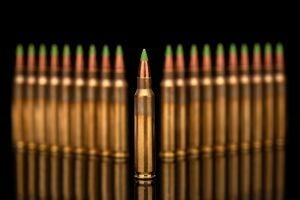
Under 18 U.S.C. § 922(a)(7), federal law strictly prohibits the manufacture or importation of armor-piercing ammunition.
A conviction can expose you to years in federal prison, substantial fines, forfeiture, and permanent loss of firearms rights.
At Eisner Gorin LLP, our federal defense team focuses on high-stakes weapons and firearms cases and regulatory matters where outcomes hinge on technical definitions, metallurgical evidence, and intent.
These cases are defensible—but only with an aggressive, expert-driven strategy from the earliest stage. Schedule your consultation at (818) 781-1570 or contact us here.
What Conduct Is Prohibited by 18 U.S.C. § 922(a)(7)?
Section 922(a)(7) makes it unlawful for any person—including individuals, corporations, and licensed businesses—to manufacture or import armor-piercing ammunition, unless a narrow exception applies.
Covered Actors (“Persons”)
The statute applies broadly to:
-
Private individuals and hobbyists
-
Commercial manufacturers
-
Importers and distributors
-
Entities holding (or lacking) a Federal Firearms License (FFL)
Statutory Exceptions
Manufacture or importation is lawful only when conducted for:
-
Use by the United States, a State, or a government agency
-
Exportation
-
Testing or experimentation authorized by the Attorney General
If your conduct fits one of these exceptions, no violation exists—a critical defense we examine immediately.
What Qualifies as “Armor-Piercing Ammunition”?
This is the central battleground in these cases. Under 18 U.S.C. § 921(a)(17)(B), ammunition qualifies as armor-piercing only if it meets exact statutory criteria. It is not enough for the government to claim a round can penetrate armor.
Composition-Based Definition
A projectile (or core) qualifies only if it is constructed entirely from one or more of the following:
-
Tungsten alloys
-
Steel
-
Iron
-
Brass
-
Bronze
-
Beryllium copper
-
Depleted uranium
If the core contains lead or an unlisted alloy, it may fall outside the statute. Independent metallurgical testing frequently exposes overbroad or incorrect government classifications.
Design-Based Definition
A round may qualify if all of the following are proven:
-
Full metal jacketed projectile larger than .22 caliber
-
Designed and intended for use in a handgun
-
Jacket weight exceeds 25% of total projectile weight
This requires proof of design intent, not mere capability—an evidentiary hurdle prosecutors often struggle to clear.
The “Handgun” Requirement
Many rifle rounds can penetrate armor due to velocity. That does not make them illegal under § 922(a)(7). If ammunition was designed for rifle use, it generally does not qualify, even if fired from a handgun platform.
Statutory Exclusions
Congress expressly excluded:
-
Shotgun shot required for hunting
-
Sporting-purpose projectiles approved by the Attorney General
These exclusions can be dispositive.
Penalties for Manufacturing or Importing Armor-Piercing Ammunition
A willful violation is a federal felony under 18 U.S.C. § 924(a):
-
Up to 5 years in federal prison
-
Fines up to $250,000 per count (higher for organizations)
-
Potential forfeiture and collateral consequences
Sentencing Enhancements
Prosecutors often stack charges. If the government alleges a nexus to a crime of violence or drug trafficking, exposure can increase dramatically under § 924(c) with mandatory consecutive sentences.
How Federal Agencies Investigate These Cases
The Bureau of Alcohol, Tobacco, Firearms, and Explosives (ATF) leads investigations, often alongside Customs and prosecutors.
Common Investigation Triggers
-
FFL audits/inspections escalating from administrative to criminal
-
Customs interceptions and controlled deliveries
-
Online surveillance (forums, marketplaces, social media)
Administrative vs. Criminal Actions
Administrative actions (such as license revocation or warnings) often precede criminal charges. Early counsel can prevent escalation.
Defense Strategies That Work in § 922(a)(7) Cases
1) Challenge the Classification (Technical Defense)
We retain independent ballistics and metallurgical experts to:
-
Re-test composition
-
Dispute alloy content
-
Challenge handgun design intent
If the ammo does not meet the statute, the case can collapse.
2) Assert Statutory Exemptions
We document government, export, testing, or sporting-purpose exemptions where applicable.
3) Lack of Willfulness (Intent Defense)
Federal prosecutors must prove a knowing, willful violation. Good-faith mistakes, misunderstanding of complex rules, or lack of knowledge about component composition can defeat intent.
4) Manufacture vs. Assembly
In some cases, conduct amounts to assembly/reloading of lawful components—not “manufacture” as defined by law.
5) Fourth Amendment Challenges
Illegal searches, defective warrants, or improper seizures can result in suppression of the ammunition—the government's core evidence.
Why a Team-Based Federal Defense Matters
Complex firearms cases require knowledge of criminal law, regulations, and forensic science simultaneously. Our team approach ensures:
-
Multiple attorneys are pressure-testing the government's theory
-
Access to top-tier experts
-
Strong pre-indictment advocacy and leverage in negotiations
Early intervention can influence charging decisions—or stop them entirely.
Take Control of Your Defense Now
Charges under 18 U.S.C. § 922(a)(7) are highly technical and defensible with the right strategy. Delay is dangerous—critical decisions often occur before an indictment is unsealed.
If the ATF has contacted you or you're facing allegations involving armor-piercing ammunition, contact Eisner Gorin LLP immediately for a confidential case review.
A "Bruen challenge" offers a novel constitutional defense against federal felon-in-possession firearm charges under 18 U.S.C. § 922(g)(1), arguing the law is inconsistent with the nation's historical tradition of firearm regulation.
Call (818) 781-1570 to protect your rights and your future, or contact us online.