
San Bernardino Federal Criminal Defense Attorneys
Facing federal criminal charges in San Bernardino County or the Inland Empire places your freedom, assets, and reputation at serious risk.
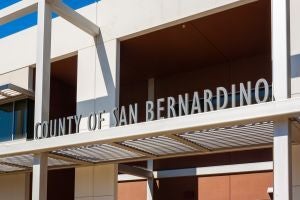
Unlike state criminal prosecutions, federal cases are investigated by well-funded national agencies over months or years before formal indictments are unsealed.
If you are facing a grand jury subpoena, a federal law enforcement investigation, or an indictment in San Bernardino or Riverside, early representation by experienced federal defense counsel is vital.
Eisner Gorin LLP provides strategic, aggressive, and discreet federal criminal defense across the Inland Empire. Call us or contact our team online to schedule a confidential consultation.
Overview of Federal Prosecution in San Bernardino County
Federal criminal cases originating in San Bernardino County fall under the jurisdiction of the United States District Court for the Central District of California (CDCA).
Specifically, San Bernardino cases are assigned to the court's Eastern Division, which is based in Riverside, California. Appeals from the Central District fall under the jurisdiction of the United States Court of Appeals for the Ninth Circuit.
Unlike state cases that move quickly from arrest to preliminary hearing, federal cases involve lengthy pre-indictment investigations conducted by specialized federal agencies, including:
-
Federal Bureau of Investigation (FBI)
-
Internal Revenue Service – Criminal Investigation (IRS-CI)
-
Drug Enforcement Administration (DEA)
-
Bureau of Alcohol, Tobacco, Firearms and Explosives (ATF)
-
Homeland Security Investigations (HSI)
-
United States Postal Inspection Service (USPIS)
Federal Courthouse Locations Serving San Bernardino County
Federal court proceedings for San Bernardino County defendants take place primarily at the Eastern Division courthouse in Riverside, with related proceedings occasionally held across other CDCA divisions:
-
Primary Courthouse (Eastern Division):
George E. Brown Jr. Federal Building and U.S. Courthouse
3470 Twelfth Street, Riverside, CA 92501
(Clerk's Office: Room 134)
-
Related Western Division Courthouses (Los Angeles):
First Street U.S. Courthouse — 350 W. 1st Street, Los Angeles, CA 90012
Edward R. Roybal Federal Building — 255 E. Temple Street, Los Angeles, CA 90012
-
Related Southern Division Courthouse (Orange County):
Ronald Reagan Federal Building — 411 W. 4th Street, Santa Ana, CA 92701
Common Federal Offenses Prosecuted in San Bernardino & the Inland Empire
The U.S. Attorney's Office for the Central District of California aggressively prosecutes complex financial, interstate, and border-adjacent crimes in San Bernardino, including:
-
White-Collar & Financial Crimes: Wire fraud, mail fraud, healthcare billing fraud, corporate tax evasion, bank fraud, securities fraud, and money laundering.
-
Federal Conspiracy Charges: Conspiracy under 18 U.S.C. § 371 or drug conspiracy under 21 U.S.C. § 846, holding individuals liable for co-conspirator actions.
-
Drug Trafficking & Distribution: Large-scale drug importation, interstate transportation, and distribution networks involving fentanyl, methamphetamine, or cocaine.
-
Obstruction of Justice & False Statements: Destroying records, altering digital files, or making false statements to federal agents under 18 U.S.C. § 1001.
-
Tax Crimes & Financial Reporting: IRS tax evasion, filing false tax returns, and failure to report foreign bank accounts.
-
Federal Firearms Offenses: Felon in possession of a firearm, interstate gun trafficking, and weapons enhancements under federal law.
-
Cybercrime & Computer Offenses: Unauthorized access, computer fraud, identity theft, and online financial scams.
Key Differences: Federal vs. State Criminal Defense
Navigating a federal charge in San Bernardino requires specialized defense strategies because federal prosecutions differ substantially from California state court cases:
-
Pre-Indictment Phase: Federal prosecutors accumulate document caches, digital forensics, wiretap recordings, and cooperator statements before making an arrest.
-
Federal Sentencing Guidelines: Sentences are calculated using mandatory scoring factors based on financial loss amounts, role in the offense, and prior history.
-
Statutory Mandatory Minimums: Many federal drug, firearm, and child exploitation statutes impose mandatory minimum prison terms upon conviction.
-
Strict Pretrial Detention Rules: Securing pretrial release on bond requires navigating contested detention hearings before a U.S. Magistrate Judge, often requiring property-backed bonds and co-signers.
How Federal Investigations Progress
Understanding the stages of a federal investigation helps defendants identify risks early and take corrective action:
-
Initial Detection: Federal agencies flag suspicious bank transactions, regulatory discrepancies, or data anomalies.
-
Whistleblower Reports & Regulatory Audits: Insiders or agency reviews (IRS, SEC) provide investigators with detailed internal documentation.
-
Grand Jury Subpoenas: The government demands documents, emails, bank records, or grand jury testimony from witnesses and targets.
-
Surveillance & Wiretaps: Agents use electronic monitoring, wiretaps, and tracking to collect evidence covertly.
-
Search Warrants: Federal agents execute court-authorized search warrants on residences or business locations to seize computers, files, and phones.
-
Target Letters & Interviews: Investigators issue formal target letters or request voluntary interviews with subjects.
Pre-Indictment Defense Strategies
Engaging federal defense counsel during the pre-indictment phase—before formal charges are unsealed—can significantly alter the outcome of a federal case.
An experienced federal defense attorney can:
-
Intervene with Prosecutors: Communicate directly with Assistant U.S. Attorneys to seek a formal declination of charges.
-
Protect Subpoena Recipients: Advise targets, subjects, or witnesses responding to grand jury subpoenas.
-
Challenge Evidence Integrity: File pre-trial motions to suppress illegally obtained wiretaps, digital forensics, or search warrant evidence.
-
Advocate for Pretrial Release: Fight for bail and favorable release terms at initial detention hearings before a Magistrate Judge.
-
Negotiate & Litigate: Structure favorable plea agreements or litigate complex jury trials in federal district court.
Why Choose Eisner Gorin LLP for San Bernardino Defense
The defense attorneys at Eisner Gorin LLP represent individuals, corporate officers, and business entities throughout San Bernardino, Riverside, and the greater Inland Empire.
We bring deep familiarity with local Central District court procedures, judicial preferences at the Riverside Federal Courthouse, and federal prosecutorial tactics.
Immediate Actions to Take if Contacted by Federal Agents:
-
Assert Your Right to Remain Silent: Politely decline to answer questions or participate in interviews without defense counsel present.
-
Refuse Unwarranted Searches: Require federal agents to present a signed judicial search warrant before searching property, vehicles, or digital devices.
-
Contact Defense Counsel Immediately: Call (818) 781-1570 before producing documents or making statements to federal agents.
Frequently Asked Questions (FAQs)
What federal court handles criminal cases from San Bernardino County?
Federal criminal cases originating in San Bernardino County are assigned to the Eastern Division of the United States District Court for the Central District of California (CDCA). Most proceedings are conducted at the George E. Brown Jr. Federal Building and U.S. Courthouse in Riverside, California.
What should I do if federal agents present a search warrant at my business or home?
If federal agents execute a search warrant, remain calm, request a copy of the signed warrant, and verify the physical areas authorized for search. Do not answer substantive questions, attempt to destroy documents, or interfere with agents. Contact a federal criminal defense attorney immediately to oversee the search and protect your rights.
How do federal criminal charges differ from state charges in San Bernardino?
National agencies (such as the FBI, DEA, or IRS) investigate federal cases, and Assistant United States Attorneys prosecute them. Federal courts utilize the Federal Rules of Criminal Procedure, strict statutory mandatory minimums, and complex Federal Sentencing Guidelines, resulting in significantly higher conviction rates than state courts.
What is the role of a U.S. Magistrate Judge in a federal case?
U.S. Magistrate Judges oversee early procedural matters in federal cases. They handle initial appearances, conduct bail and detention hearings, review search and arrest warrant applications, and oversee initial arraignments before a case is assigned to an Article III District Judge for trial or sentencing.
Can a defense lawyer prevent formal federal charges from being filed?
Yes. Retaining defense counsel during the pre-indictment phase allows your attorney to engage directly with federal prosecutors. Experienced defense lawyers can present mitigating evidence, identify legal weaknesses in the government's case, negotiate resolutions, and work to secure a full declination of charges before a grand jury returns an indictment.
Speak With a San Bernardino Federal Criminal Defense Attorney Today
If you or your business are facing federal charges or suspect you are under investigation in San Bernardino County or the Inland Empire, contact Eisner Gorin LLP.
-
Phone: (818) 781-1570
-
Jurisdiction: Central District of California – Eastern Division (San Bernardino County, Riverside County, and the broader Inland Empire).